
North Carolina window tint law changes explained. Learn what’s new in 2026, key updates, legal tint rules, and stay compliant.
I got pulled over on I-40 outside Raleigh back in January. My first thought wasn’t “was I speeding?” It was “oh no, is it my tint?” My truck’s rear windows looked darker than I remembered, and for about ten seconds, I genuinely panicked.
Turns out I was fine. But that moment of dread pushed me to dig into the north carolina window tint law changes and figure out exactly what changed and what didn’t.
Maybe you’ve heard that NC “stopped checking tint” and assumed that means anything goes now. I almost made the same mistake. This is mistaken and it could cost you. A citation, Punishment, or worse? Stay informed about the latest Legal Updates can help you avoid costly misunderstandings.
Here’s Exactly what changed, why it changed, and what you necessitate to do to stay legal. The road.
Quick Summary: What Actually Changed
Skip the fluff. Here’s the short version:
- Effective date: December 1, 2025
- What changed: Tint no longer gets checked during your annual vehicle safety inspection, and the $10 tint inspection fee is gone
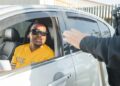
- What’s brand new: Drivers and passengers must roll down tinted windows when a law enforcement officer approaches during a traffic stop
- What stayed exactly the same: The 35% VLT darkness limit and the 20% reflectivity cap remain fully enforceable , just at the roadside instead of the inspection station
That last point trips up the most people. Let’s start there.
What Are the North Carolina Window Tint Law Changes?
The NC window tint law change 2026 everyone’s talking about traces back to Senate Bill 43, effective December 1, 2025. It made two concrete changes. It left one big thing completely untouched.
Change #1: Tint left the inspection checklist. Mechanics used to test aftermarket tint with a light meter during your annual safety inspection, right alongside your brakes, lights, and emissions. That extra step , and the extra $10 fee , is gone now.
Change #2: A new roll-down rule showed up. This one surprised me. It barely made headlines compared to the inspection news, yet it affects you at every single traffic stop. If your windows carry tint, you (and any passenger sitting on the officer’s approach side) must roll that window down. Not “it’s polite to.” Required. This rule applies no matter how light or dark your tint sits, and even if you carry a valid medical exemption.
What didn’t change: the darkness limit itself. My cousin works at a body shop in Greensboro, and he put it simply: “The state didn’t get more lenient on tint , they just moved where they check it.” That’s the right mental model. The inspection station used to be the checkpoint. Now the roadside is.
Why Did NC Change Its Window Tint Inspection Rules?
Lawmakers had two goals here.
- Efficiency. Legislators wanted to trim a step out of the annual inspection process. One less test for mechanics to run. One less fee for drivers to pay.
- Officer safety. Law enforcement groups pushed challenging the roll- down requirement. Coming closer. A car with dark windows Classification between the most nerve- wracking parts of any traffic stop. Officers cannot see hands. They can’t count how many people sit inside. They can’t read body language through dark glass. A rolled-down window removes that uncertainty and makes a routine stop safer for everyone involved.
NC Tint Limits Haven’t Moved an Inch
Here’s the biggest point of confusion I found while researching this topic: window tint NC inspection rules changed, but the legal darkness standard under G.S. § 20-127 stayed exactly where it was.
Check the table below for the current statewide limits:
| Window | Legal Limit | Notes |
| Windshield | Non-reflective tint only | Above the AS-1 line or top 5 inches, whichever runs longer |
| Front side windows | 35% VLT minimum | Applies to the combined glass + film reading |
| Back side windows (sedans) | 35% VLT minimum | , |
| Rear window (sedans) | 35% VLT minimum | Requires dual side mirrors if tinted |
| Back side/rear windows (SUVs, vans, trucks) | No darkness limit | Front windows still cap at 35% |
| Reflectivity (all windows) | 20% maximum | , |
| Prohibited colors | Red, amber, yellow | Banned statewide |
Quick clarification on 35% vs. 32%: State law sets the bar at 35% visible light transmission (VLT). A built-in 3% variance accounts for meter calibration differences between devices. So in practice, a state-approved meter reading of 32% or higher still passes. The law didn’t quietly get more lenient here , it just accounts for the fact that meters aren’t perfectly precise instruments.
One detail most guides skip: That 35% figure measures your factory glass plus whatever film you layer on top , combined, not separately. I’ve heard of drivers installing film labeled “35%” only to watch it measure below the legal threshold once layered onto their car’s factory-tinted glass. Getting new tint installed? Always ask for the post-install meter reading on the finished window, not the number printed on the film’s packaging.
SUV and Truck Owners Get a Real Advantage
Drive a multipurpose vehicle , an SUV, minivan, or pickup truck? You come out ahead here. Your front side windows still need to clear that 35% minimum, same as everyone else. But your back side windows and rear windshield carry zero darkness restriction under state law.
My neighbor drives a Tahoe with rear windows so dark you can’t see inside at all, and it’s completely legal thanks to this exact rule. Sedan owners don’t get that same freedom , every window on a passenger car has to clear the 35% bar.
The Roll-Down Rule: How It Plays Out in Real Life
Picture this actually happening, because that’s when it matters most.
You spot the lights in your mirror. You pull over. The second you stop, roll down the window on whichever side the officer walks toward. Usually that’s the driver’s side , but if a passenger sits on the officer’s approach side, that passenger needs to roll theirs down too. Don’t wait for the officer to ask. Don’t wait until they reach your door. Act the moment you stop and settle.
Why does timing matter this much? The rule exists to help the officer see inside during the approach , not after they’re already standing at your window. Wait too long, and you’ve technically missed the point of the requirement, even if you eventually comply.
Here’s the part that trips people up: this rule applies even when your tint sits perfectly legal. Even when you carry a medical exemption permit in your glovebox. The roll-down rule doesn’t care whether your tint passes the darkness test. It stands as its own, separate obligation. Refuse to comply, and you risk a citation of its own , stacked right on top of whatever the original stop involved.
Medical Exemptions Still Work , With One Catch
Deal with a legitimate light sensitivity condition? North Carolina still grants medical exemption permits through the DMV’s Medical Review Program. A licensed physician has to sign off on your application. Once approved, the permit runs for up to five years and lets you run darker tint than standard limits allow on specific windows.
But here’s the catch that caught me off guard: even with an approved medical exemption, you still have to roll your window down at a traffic stop. The exemption changes how dark your tint can legally go. It doesn’t exempt you from the roll-down requirement. I’d bet plenty of exemption holders don’t realize that until they’re mid-traffic-stop.
What Happens If Your Tint Isn’t Legal
Some drivers assume enforcement disappeared once tint checks left the inspection process. It didn’t. It just relocated.
An officer can still flag your car for tint that looks too dark, confirm it with an approved meter, and write you up. Expect a base fine plus court costs , and depending on your county, that total adds up fast. Get ordered to remove illegal film, and you’ll pay for removal now, then pay again to reinstall compliant film later if you still want tint. That means paying twice for something you could’ve gotten right the first time.
How to Stay Ahead of This
After going down this rabbit hole, here’s what I’d tell a friend:
- Get a professional meter reading, especially if your tint is aftermarket or you’re unsure when it was installed. Most tint shops handle this in a few minutes.
- Build the roll-down habit now, before you ever get pulled over. Make it automatic the second you stop the car.
- Keep medical exemption paperwork in the vehicle if it applies to you, and remember the roll-down rule still applies to you too.
- Choose an installer who measures the finished product, not just the film specs, when you get new tint done. A shop that hands you a documented reading after installation earns the extra trust.
Frequently Asked Questions
Did the 35% VLT limit change in December 2025? No. The darkness standard under G.S. § 20-127 stayed the same. Only the enforcement method , roadside instead of inspection , changed.
Do passengers need to roll their windows down too, or just the driver? Both. Whoever sits on the side the officer approaches must lower their window, driver or passenger.
Do I still need my annual vehicle inspection at all? Yes. The full inspection still covers brakes, lights, emissions, and everything else. Only the tint check left that checklist.
Can an officer still pull me over just because of my tint? Yes, based on visual appearance, though issuing a citation typically requires confirmation from an approved meter.
Does a medical exemption get me out of the roll-down rule? No. The exemption only affects how dark your tint can legally go. The roll-down requirement still applies to you.
Key Takings
- The north carolina window tint law changes that took effect on December 1, 2025 genuinely simplified one part of vehicle ownership.
- You won’t pay that extra tint fee at inspection time anymore, and mechanics have one less thing to test. But the update also added a real, new obligation at every traffic stop , and it left the actual darkness rules completely intact.
- Avoid the mistake of assuming “less inspection” means “less law.” The law simply moved to the roadside, where officers can arguably catch violations more easily than they ever did once a year at the inspection station.
- If you take one thing from this article: check your tint with an actual meter when you’re unsure, and start rolling that window down the second you’re pulled over. Both take almost no effort. Both keep you out of a situation you don’t need.
- This article Servers general informational purposes and reflects publicly. Available information In the middle of 2026. It does not add up legal advice. Consult. A licensed North Carolina attorney or acquire in touch the NC DMV too direct guidance specific To your situation.
Additional Resources
- North Carolina General Assembly: The official statutory text governing window tint requirements
- NC Division of Motor Vehicles For medical exemption applications and current vehicle inspection requirements