

Find the best commercial kitchen rental options to launch your food business legally, affordably, and confidently today in 2026.
I still remember the first time I applied for a commercial kitchen rental. I stayed seated at a small café table, laptop open, wondering how people actually turn homemade recipes into real businesses without spending a fortune.
It seemed straightforward at first, but the deeper I went, the more I realized it wasn’t just about renting space , it was about getting into a whole new world of opportunity.
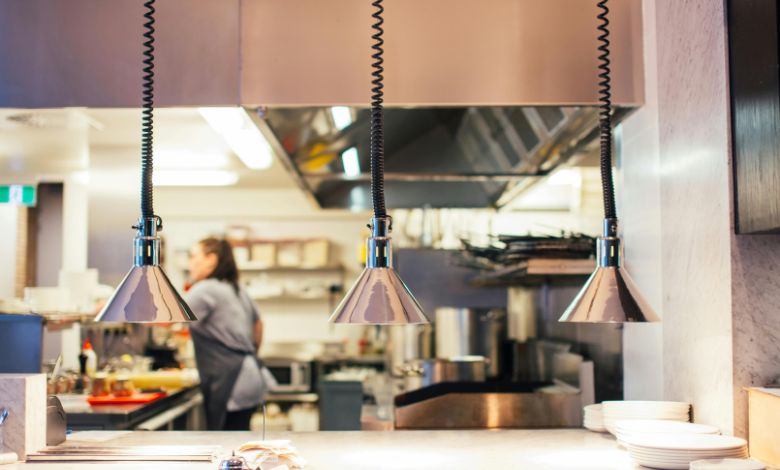
A commercial kitchen rental isn’t just a place for cooking. It’s a legal, regulated, and fully equipped environment where food entrepreneurs, caterers, bakers, and startups can operate under proper Business requirements without building their own expensive restaurant kitchen.
But here’s the interesting part that most people don’t realize: the search for a commercial kitchen rental is rarely just about space. It’s all about surviving the early stages of a food business.
The Real Intent Behind the Search
When someone searches for “commercial kitchen rental,” they usually aren’t browsing casually. They’re solving a real problem , how to start a food business without massive capital.
Many are home cooks who are ready to scale. Others are food truck owners, delivery-only brand founders, or caterers who have outgrown their home kitchen.
What they really want is simple: a legal way to prepare food without violating health regulations or spending tens of thousands on infrastructure.
A commercial kitchen rental becomes the bridge between idea and income.
Why Commercial Kitchens Exist in the First Place
At first glance, it may seem strange that communal kitchens even exist. But once you understand the economics, it makes perfect sense.
Building a restaurant kitchen can cost anywhere from $50,000 to $500,000 depending on location and equipment. It includes ventilation systems, fire safety compliance, stainless steel installations, and inspections. For most beginners, it’s impossible.
This is where commercial kitchen rental spaces change everything.
They function like co-working spaces , but for food businesses. Instead of tables and Wi-Fi, you get ovens, prep stations, storage, and sanitation systems.
Another reason they exist is regulation. Many regions don’t allow home kitchens to distribute ready-made meals. So a commercial kitchen rental becomes a unique legal stepping stone for small entrepreneurs.
The Hidden Reality Most Beginners Miss
When I first discovered commercial kitchen rental options, I thought it would be as simple as booking a time slot and cooking. I was wrong.
Here’s what most beginners don’t realize:
1. Availability is Competitive
Popular kitchen spaces run on tight schedules, especially during morning baking hours and evening prep slots. You’re not simply “showing up and cooking.”
2. Pricing is Tiered
A commercial kitchen rental may advertise hourly rates, but the real costs often include:
- Storage fees
- Cleaning costs
- Membership tiers
- Equipment usage fees
3. Licensing Still Matters
Renting a kitchen doesn’t automatically make your food business legal. You still need permits, certifications, and in some cases, insurance.
These surprises often hit people late, but understanding them early can prevent major frustration.
Who Actually Uses These Kitchens?
A commercial kitchen rental is used by an unbelievably diverse group of people.
There are home bakers running cupcake businesses, catering companies preparing large wedding orders, food truck owners needing prep space, and digital-first brands operating exclusively through delivery apps.
I once met a small entrepreneur who started with weekend baking. Within a year of using a commercial kitchen rental, she was supplying desserts to three cafés. Her entire growth journey depended on access to flexible kitchen time.
That’s the real strength here , it’s not just the location, it’s the scalability.
How the System Actually Works
A typical commercial kitchen rental operates with tiered access.
At the entry level, you purchase hourly shared access. It’s flexible but limited. As you grow, you move into monthly memberships or semi-dedicated spaces. Larger businesses eventually transition into private or ghost kitchen setups.
Think of it like climbing a ladder:
- Start with shared access
- Move to stable production slots
- Scale into semi-private operations
Each stage of commercial kitchen rental supports a different phase of business growth.
The Local Advantage People Ignore
Most people search for “commercial kitchen rental near me,” but location is more strategic than it sounds.
It’s not just about distance , it’s about logistics.
Many businesses choose a kitchen based on:
- Supplier proximity
- Delivery efficiency
- Traffic patterns
- Faster production cycles
A smart commercial kitchen rental choice can reduce delivery costs, improve freshness, and accelerate operations.
I learned this the hard way when I chose a kitchen that looked convenient on the map but doubled my travel time during peak traffic hours.
The Rise of Kitchen-as-a-Service
Something interesting is happening in this industry.
A commercial kitchen rental is no longer just a place , it’s becoming a full business ecosystem.
Modern kitchens now offer:
- Packaging stations
- Delivery integration
- Brand support
- Marketing assistance
Some even help new brands connect with online food platforms.
This evolution turns a simple commercial kitchen rental into a launchpad for food startups.
Key Takings
- Looking back, my early confusion about commercial kitchen rental now makes sense.
- I thought I was looking for a place. In reality, I was looking for structure, legitimacy, and opportunity.
- For many entrepreneurs, this becomes the first real step toward building something bigger. It’s where ideas leave the home kitchen and enter the real market.
- A commercial kitchen rental isn’t just a service. It’s a transition point , a place where risk meets opportunity, and where small ideas quietly become real businesses.
- And honestly, that’s what makes it so powerful.
Additional Resource:
- TouchBistro – Commissary Kitchen Guide: High-authority restaurant industry resource covering shared kitchens, ghost kitchens, catering startups, and affordable ways to scale a food business.
- Shared Kitchen Locator – Commercial Kitchen Directory: Modern searchable database for commercial kitchen rental options across multiple cities with hourly, daily, and monthly rental listings.