

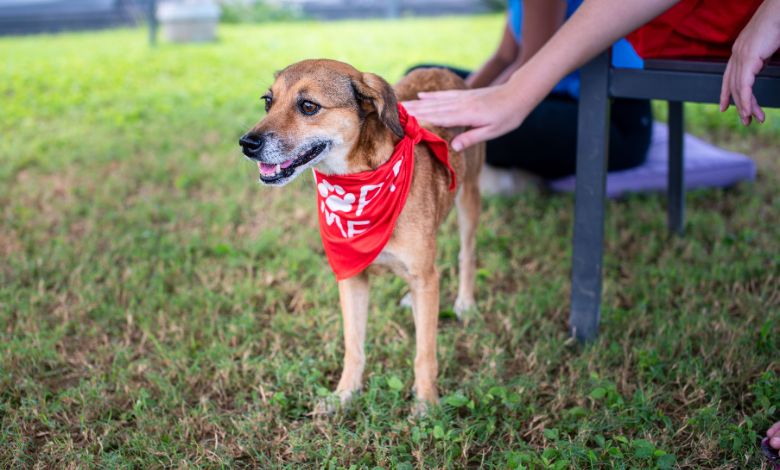
Ogden dogs rescued: Explore the full story of 152 saved dogs, the legal case, rescue efforts, and what happened afterward.
I still remember exactly when I was. First Analyze the headline. I sat down. My porch with my own rescue mutt, biscuits, and snoring. My feet, And I saw the words” Saved 152 dogs” and thought: That has to be a typo.
One hundred and fifty-two dogs? From a single house? It wasn’t a typo. Once I started researching the Ogden dogs rescue case, I couldn’t stop reading.
A five-minute scroll turned into weeks of following court updates, adoption posts, and foster stories , because a story like this sticks with you.
If you apply “Ogden Dogs Saved Cases,” you probably already understand the basics. But you’re probably looking for more than just a headline. You want the full timeline, the legal consequences, and what happened to the dogs afterward.
Let’s go through. It’s together.
Quick Facts: The Ogden Dogs Rescued Case at a Glance
- Date: April 16, 2025
- Location: A residence in the 3000 block of Jefferson Avenue, Ogden, Utah
- Animals rescued: 152 dogs (later reports cite 156, and 168 including cats, as the full scope emerged)
- Conditions: Officers wore hazmat suits due to dangerously high ammonia levels
- Shelter: All animals transferred to Weber County Animal Services for medical care
- Charges: Hundreds of class B misdemeanor counts against two suspects
- Legal outcome: Guilty plea entered in April 2026, with remaining counts dismissed under a plea deal
What Happened in Ogden: The Day It All Came Apart
Ogden Police officers answered the Jefferson Avenue property on April 16, 2025, after receiving a report of possible animal neglect. What they found was difficult to bear. Officers A hazmat suit was required to enter. The house Guaranteed Ammonia The level of collected waste was significant enough to cause pollution. A real health risk for all who have passed. The door without protection.
Inside, officers discovered dogs packed into the home at a staggering scale. They pulled 152 dogs from the property that day, along with several cats. Picture cramming an entire elementary school’s student body into a two-bedroom house, minus the desks , that’s roughly the level of overcrowding investigators walked into. Many dogs showed skin issues, overbites, and signs of malnourishment.
You’ll notice the reported numbers shift depending on the source. Some articles cite 152, others cite 156, and a later report puts the combined dog-and-cat total at 168. That’s normal in a rescue this large. Shelters count animals in real time as they pull them from a property, and they sometimes find more tucked away in back rooms or crates after the first number has already hit the press. It’s not sloppy reporting , it’s simply how large-scale rescues unfold.
The Photos That Made the Story Real
If you’ve searched Ogden dogs’ rescued photos, you already know how much more powerful this story becomes once you actually see it. News outlets and rescue groups released images of officers in white hazmat suits carrying crate after crate of small dogs out of the home , mostly chihuahua and terrier mixes, ranging from a few months old to around eight years. Some photos capture dogs blinking in daylight, possibly for the first time in months. Others show volunteers cradling trembling, underweight pups wrapped in towels.
One photo Stick with me: a tiny dog, barely five pounds, I spin a volunteer’s arms, Not certain if you should trust or not. The gentle hands finally catch it. To accurate context And higher- quality images, check the Weber County Animal Services and Humane Society of Utah social pages rather than directly random reposts.
From Crisis to Care: What Happened to the Dogs Next
Here’s the part that actually gave me hope. Rescuers transferred all 152 dogs to the Weber County Animal Shelter, where they began receiving veterinary evaluations, vaccinations, and , for many , their first real medical care in years.
The sheer volume of animals overwhelmed a single shelter’s capacity, so additional support arrived from Roy Animal Services, Draper Animal Services, and eventually Best Friends Animal Society. Best Friends’ veterinary team personally examined thirty to forty of the dogs. According to a vet tech involved, the dogs showed overbites, ear injuries, and a few cases of being underweight , but nothing severe enough to block eventual adoption. He is the kind of update worth holding when a story feels heavy.
Within about a week, only 17 of the original animals remained in the shelter, because rescues and foster homes across the Wasatch Front went up to extract it. The community response was staggering:
- 300+ people applied to foster in a single day
- Eight full pallets of donated supplies arrived at the shelter
- Multiple partner rescues across the Wasatch Front absorbed dogs for longer-term rehabilitation
If you’ve ever wondered whether people actually show up for animals in crisis , they really do.
The Dogs Behind the Numbers
Numbers are easy to scroll past. Names aren’t. A few individual stories from this rescue deserve your attention.
Koko arrived in foster care weighing just five pounds, two ounces , fragile, fearful, and unfamiliar with basic kindness. She slowly learned to trust her foster, sleeping beside her every night. Tragically, Koko passed away after her spay surgery; her foster believes generations of inbreeding had left her body too weak to recover. It’s a painful detail, but it explains exactly why this case matters , neglect like this causes damage that outlasts the rescue itself.
Leia found a home with a Utah County adopter named Brandi Hysell and has been slowly coming out of her shell ever since. Coco landed with foster Lisa Peterson, who , in a strange twist , actually helped trigger the original investigation after finding two stray dogs on her front porch. Stories like these turn a headline about “152 dogs” into 152 individual second chances, each on its own timeline for healing.
The Legal Fallout: Who’s Actually Responsible
Most coverage stops at the rescue itself, so let’s go deeper , the legal outcome here matters.
Investigators charged the homeowner, 73-year-old Miguel Salgado-Vargas, and his nephew, Ramon Cano Aispuro, with hundreds of class B misdemeanor counts. These charges covered more than animal cruelty , they also included public nuisance violations and failure to obtain required rabies vaccinations, a serious public health concern given how many unvaccinated dogs lived in such close quarters.
The case Transferred by the legal system For approx a year. In April 2026, Salgado- Vargas pleaded guilty to animal hoarding and the crime. A kennel- and- cattery violation. The prosecution dropped the remaining hundreds of individual counts as part of the plea deal.
Here’s what that outcome actually means in practice: prosecutors often consolidate sprawling multi-count animal cruelty cases into a single plea covering the core offenses. Pursuing hundreds of individual misdemeanor counts , one per animal , through a full trial would drain court resources in a case where the underlying facts aren’t seriously disputed. Dismissing extra counts doesn’t mean the case was taken lightly; it reflects how the legal system typically resolves cases at this scale.
This detail matters beyond Ogden. Hoarding cases occupy a legal gray zone in many states. The line between someone who genuinely intends to help animals and someone who spirals into hoarding , versus an outright illegal breeding operation , isn’t always clean. Utah’s approach here, treating it as hoarding with kennel-violation charges rather than pursuing full cruelty charges at trial, shows how these cases tend to resolve in practice. Most casual coverage skips this angle entirely.
What This Case Teaches Us About Animal Hoarding
The biggest lesson buried in the Ogden dogs rescued case: hoarding rarely starts with cruelty in mind. It usually starts with small , one or two dogs, often rescued with good intentions , and spirals once breeding goes unchecked and dogs remain unspayed or unneutered. Think of it like a small roof leak you keep meaning to fix. Ignore it long enough, and the whole ceiling eventually caves in.
Watch for these early warning signs of a hoarding situation:
- Unusual or persistent odors coming from a property
- Constant barking or crying that never seems to stop
- Animals that never appear to be walked or let outside
- A sudden, unexplained increase in the number of animals at one address
In this case, a neighbor’s welfare report triggered the initial police visit. Reporting suspicious conditions isn’t overreacting , it might be the only thing standing between an animal and years of suffering.
How You Can Still Help
The immediate crisis ended over a year ago, but shelters that absorbed dogs from this case , especially Weber County Animal Services , still feel the ripple effects of a sudden 150-plus animal intake. Donations, fostering, and adoption inquiries remain welcome. If you live in Utah, contact Weber County Animal Services or the Humane Society of Utah directly to find out which dogs from this case, or similar cases, still need homes.
Frequently Asked Questions
How many dogs were rescued in Ogden? Officers rescued 152 dogs from the Jefferson Avenue property on April 16, 2025. Later reports cite 156 dogs and a combined total of 168 dogs and cats as the full scope became clear.
Where can I see Ogden dogs’ rescued photos? The Weber County Animal Services and Humane Society of Utah social media pages host the most accurate and highest-quality photos from the rescue and subsequent adoptions.
Our dogs from the Ogden rescue offered for adoption? After veterinary evaluation and vaccination, Many dogs entered foster care or through an adoption program the Humane Society of Utah and partner rescues across the Wasatch Front.
What happened legally? the people responsible? Miguel Salgado- Vargas pleaded guilty. April 2026 Animal hoarding and a kennel- and- cattery violation. The prosecution dropped the remaining hundreds of misdemeanor counts as part of the plea deal.
Key Takings
- I started following this story out of pure shock at the number 152. I stayed with it because of Koko, and Leia, and the 300 people who applied to foster in a single day.
- Biscuit’s still snoring at my feet as I write this, and I keep thinking about how close his own story could have looked like theirs if a few things had gone differently.
- Stories like this aren’t really about numbers. They’re about second chances , and about a community that showed up when it mattered.
Additional Resources
- https://utahanimals.org: Learn about pet adoption, fostering opportunities, and animal welfare initiatives across northern Utah.
- https://bestfriends.org: Explains how large-scale animal rescues work, including rehabilitation, fostering, and finding permanent homes for rescued animals.