

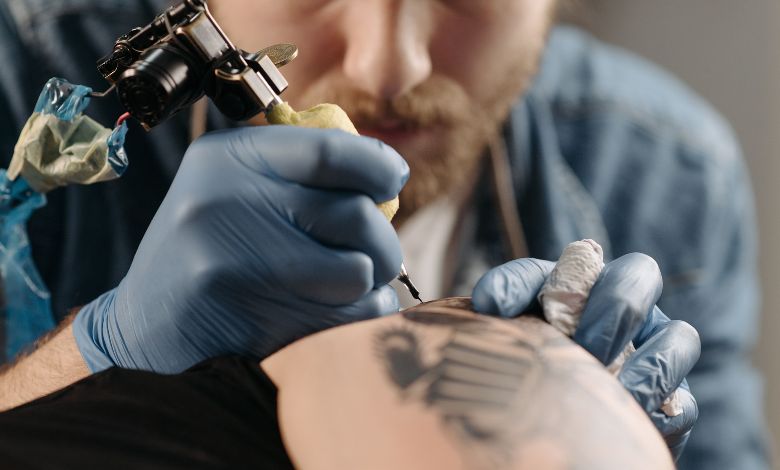
How old is it to get a tattoo? Learn state tattoo age laws, parental consent rules, exceptions, and minimum age requirements.
I still remember standing up. Outside a tattoo shop in downtown Austin But seventeen. My palms were sweaty. I really thought I could talk. My way is the chair.
I couldn’t. The guy at the front desk barely looked up from his sketchbook. “Come back with an ID that says eighteen, kid,” he said. I felt annoyed at the time. Now, years (and three tattoos) later, I get it completely.
If you’re asking “how old do you have to be to get a tattoo?” , you’ve landed in the right place. It’s One of the most searched questions in the tattoo world, And the real answer is more important than most people expect.
Let’s break it down, policy by policy, government by status, exception by exception. The way I wish someone had explained this to me was on that sidewalk.
Quick Answer: 18, With a Few Exceptions
Most U.S. states require you to turn 18 before you can legally get a tattoo. That’s the baseline rule nationwide.
A handful of states, however, allow minors to get tattoos earlier if they have parental consent. A smaller group locks the age at 18 with zero exceptions, no matter what a parent signs.
So the real answer depends entirely on where you live , and that’s exactly why this guide breaks things down by state instead of giving you one flat number.
Why Tattoo Age Laws Vary So Much by State
Unlike the drinking age, which the federal government fixes at 21 across every state, tattoo laws work differently. No federal law sets a national minimum tattoo age in the U.S. Each state writes and enforces its own rules.
That’s why your cousin in Florida might get inked at 16 while you wait until your eighteenth birthday in New York.
This patchwork actually reminds me of research I did once on the youngest drinking age in the world for a completely unrelated project. Some countries let 16-year-olds order a beer with dinner. Others hold the line at 21 or even 25. Age laws , whether for alcohol or ink , usually reflect how a government weighs personal freedom against risk. Tattoo laws work the same way: each state draws its own line based on its own priorities.
States Where 18 Is the Absolute Rule
Several states don’t budge on this at all. California, New York, South Carolina, Massachusetts, and Texas all require you to be 18 , full stop.
Parental consent doesn’t change anything in these states. A notarized letter from your mom won’t get you through the door.
I once called a shop in Los Angeles for an unrelated project and asked point-blank whether a 16-year-old could get tattooed with a parent standing right there. The receptionist laughed. “Not a chance,” she said. “We’d lose our license.”
These states treat tattoos the way they’d treat any irreversible body modification: adulthood first, ink second.
States That Allow Tattoos With Parental Consent
Now here’s the part most readers actually want to know: how old to get a tattoo with parental consent.
I several states, Minors can legally get tattoos before they show up. 18, But only under specific, strictly controlled circumstances. Requirements Usually involves a writing or notary universal. Consent form, And often a parent Physically present during the procedure.
Here’s a general snapshot of how these states tend to structure their rules:
| State | Minimum Age With Parental Consent | Parent Must Be Present? | Notarization Required? |
| Florida | 16 | Often, depending on documentation | Yes |
| Idaho | 14 | Yes | Written consent, artist witnesses it |
| Kansas | 16 | Yes | Yes |
| Louisiana | 16 | Yes | No, but consent required |
| New Jersey | 16 | Yes | No, written consent required |
| Tennessee | 16 | Often required | No |
| Illinois | 16–17 | Varies by studio | No |
Laws change often. Treat this table as a starting point , always confirm current rules with your state health department and the specific shop.
That Idaho number tends to surprise people. Idaho permits tattoos for minors as young as 14 with written parental consent, and the parent typically has to stay in the room during the procedure. It’s the lowest statutory age in the country by a wide margin.
Can a 14-Year-Old Get a Tattoo With Parental Consent?
Parents ask this question more often than teenagers do. The honest answer: almost never, with Idaho standing out as the rare exception.
Even in states that technically allow younger ages with consent, most reputable studios set their own house minimum higher than the legal floor. I’ve talked to several artists about this, and their reasoning stays consistent: bodies are still changing at 14. Crisp, clean line work on a still-growing forearm can stretch, warp, or blur years later. Artists protect their reputation by making sure their work still looks sharp a decade down the road.
So even where the law technically allows it, don’t assume every shop nearby will say yes. Many studios refuse to tattoo anyone under 16, and plenty hold the line at 18 regardless of what state law permits. You have to clear two separate hurdles: state law and studio policy.
Why These Age Restrictions Exist
These laws aren’t random bureaucracy. Three real reasons drive them:
- Permanence. Laser removal technology keeps improving, but it’s still expensive, painful, and rarely restores skin to its original state. Lawmakers built in a maturity buffer before someone commits to something this lasting.
- Health and safety. Tattooing breaks the skin barrier. Poor aftercare, ink allergies, or unsterilized equipment can all cause real medical complications. Younger clients statistically follow aftercare instructions less consistently , not from irresponsibility, but because most teenagers simply aren’t that disciplined yet.
- Ongoing body growth. Bones lengthen. Muscles fill out. Skin stretches well into the late teens and even early twenties. A tattoo inked on a still-developing body can distort noticeably over time in a way it won’t on a fully grown adult.
What Happens If You Get Tattooed Underage
The tattoo artist and studio bear the heaviest consequences , far more than the minor does.
If a shop tattoos a minor without proper consent, or in a state that bans it outright, the artist risks fines, license suspension, and in serious or repeat cases, criminal charges. States enforce these rules seriously; this isn’t treated as a minor infraction.
Minors themselves rarely face direct legal consequences. Real fallout can still happen, though: families may need to pay for surgical or laser removal of an illegally obtained tattoo, and parents who knowingly helped a minor bypass the law can sometimes face penalties too.
Here’s something people overlook until it’s too late: getting tattooed at an unlicensed or underground shop to dodge an age requirement leaves you with almost no legal recourse if something goes wrong medically , an infection, a severe allergic reaction, or nerve irritation from bad technique. Reputable shops carry insurance and follow health codes for exactly this reason.
Before You Get Tattooed: 4 Things to Consider
If you’re counting down the days until you’re legally old enough, keep these points in mind:
- Sit with the design for a while. The tattoo I got at 19 still makes me happy today. The one I sketched at 16 and would’ve begged a shop to do? I cringe just thinking about it now.
- Ask about the studio’s own age policy, not just your state’s legal minimum. The two numbers often don’t match.
- Budget for the real cost, not just the tattoo itself. Removal later runs $200–$500 per session, and most tattoos need multiple sessions to fully fade.
- Bring valid, government-issued ID. Every legitimate shop requires it, no exceptions , no matter how convincing your fake ID looks.
Key Takings
- So, how old do you have to be to get a tattoo? Most of the country sets the bar at 18.
- A smaller group of states allows 16-year-olds to get tattooed with proper parental consent , sometimes notarized, sometimes requiring a parent in the room.
- Idaho stands alone in allowing minors as young as 14 under tightly specific conditions.
- Wherever you live, take the boring-but-smart route: confirm your state’s current statute, then call the actual shop you’re considering and ask about their house policy directly.
- Laws get amended and studio rules update over time, so what held true two years ago might not hold now. Trust me , that phone call beats standing awkwardly on a sidewalk the way I once did.
Additional Resources
- https://www.fda.gov/consumers/consumer-updates/think-you-ink-tattoo-safety: Learn about tattoo safety, potential health risks, contaminated inks, allergic reactions, and what consumers should know before getting a tattoo.
- https://www.fda.gov/cosmetics/cosmetic-products/tattoos-temporary-tattoos-permanent-makeup: Explains how the FDA regulates tattoo inks and permanent makeup, including federal oversight and important safety information.