

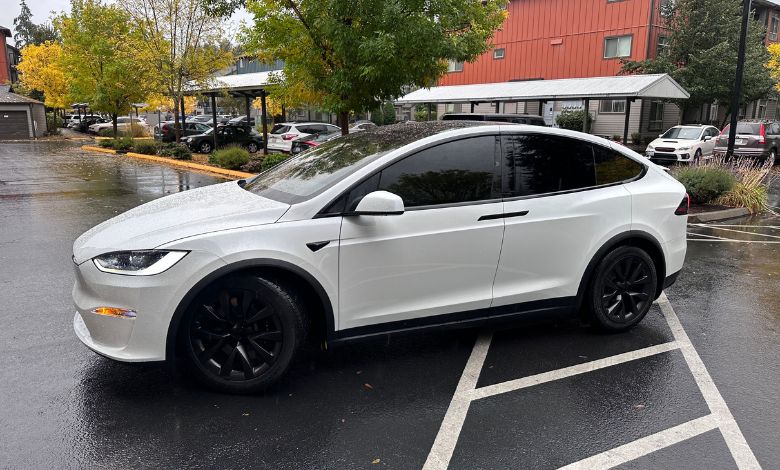
Learn from a costly mistake and understand tint laws california drivers face before installing windshield tint.
I still remember the exact spot on the 405 where the CHP lights flashed behind me. I wasn’t speeding. I wasn’t on my phone. I got pulled over because of a $180 tint job I’d had done two weeks earlier, the one my installer swore was “totally legal, don’t worry about it.” Spoiler: he was wrong, and I was the one holding the fix-it ticket.
That single afternoon sent me down a rabbit hole do research tint laws California actually implementing, and frankly, the rules are more specific than most people( Apparently included my installer) feeling So if you are going to dye. Your car, You have just purchased.
One With a pre- tint on, or you stand the side of the freeway As I was, it is the Policy guide I wish someone had given it to me before I touched it a roll of film.
The Quick Answer: California Tint Darkness Limits
Let’s not bury the lede. Here’s the cheat sheet for tint laws California for cars, and this applies whether you’re driving a sedan, SUV, or minivan , California doesn’t split the rules by vehicle type the way some states do.
| Window | Legal Limit (VLT%) |
| Windshield | Clear, non-reflective strip on the top 4 inches only |
| Front side windows | Must allow at least 70% of light in (combined glass + film) |
| Back side windows | Any darkness allowed |
| Rear window | Any darkness allowed (dual side mirrors required) |
| Reflectivity | No more reflective than untinted glass |
| Colors | No red, amber, or blue tint |
Screenshot That, protect that, whatever you demand to do. But preserve reading, because the devil Actually here in the details, and that 70% number Top tours more people more than you expect.
What VLT Actually Means (And Why It Confused Me)
VLT stands to Visible Light Transmission, And that’s basically it a percentage It tells you how much light can pass through your window. A higher number means more light stays through, which means a lighter, Shade through to see more. A lower number Importance darker glass.
Here’s the part that got me: I assumed the “70% rule” meant I could add a film rated at 70% VLT. Nope. The 70% requirement applies to the combined result of your factory glass plus the aftermarket film layered on top of it. Since most factory windows already have some tint baked in from the manufacturer (often somewhere in the 80–85% range), stacking any additional film on top usually drops you below the legal threshold pretty fast. That’s exactly the mistake I made , the film itself tested fine on its own, but combined with my factory glass, it pushed the total below 70%.
This is also why the question “is 35% tint legal in California” comes up constantly in forums and Google searches. The honest answer: no, not on your front windows, and not without a medical exemption. Standard front side windows need to hit that 70% VLT floor. A 35% tint blocks far too much light to qualify , that number is more commonly associated with what other states allow, or with what California will sometimes approve for someone with a documented medical exemption (more on that below). If your tint shop tells you 35% is fine for your front windows, get that in writing, because it isn’t.
Breaking It Down Window by Window
The Windshield
You basically can’t tint your windshield in California, full stop, aside from a narrow strip. The law allows a non-reflective tint on the top 4 inches only, and it can’t be red or amber. Think of that strip as similar to the built-in sun visor most cars already have , anything more, and you’re in violation territory.
Front Side Windows (Driver and Passenger)
This is where most tickets happen, mine included. The film has to be essentially clear , manufacturers typically rate it around 88% VLT on its own , so that once it’s paired with your existing glass, the total still clears 70%. If your front windows look noticeably shaded, that’s often a red flag before an officer even pulls out a meter.
Back Side Windows and Rear Window
Good news if you’re in the back seat: California doesn’t restrict darkness here at all. You can go as dark as you want, including the “limo tint” look that blocks almost all visible light. The only catch is that your car needs dual outside mirrors so you’ve still got visibility behind you, since your rearview mirror is essentially useless with a blacked-out rear window.
Reflectivity and Color Restrictions
Even on windows where darkness isn’t limited, reflectivity still is. Your tint can’t be more mirror-like or reflective than a standard piece of untinted glass , this is meant to stop that blinding glare effect you sometimes see off other cars at sunset. I actually experienced the receiving end of this once, driving toward the coast around golden hour, when a reflective tint on another car threw a glare straight into my eyes for a solid two seconds. Genuinely unsettling at 60 mph.
Color is regulated too. Red, amber, and blue tints are off the table statewide, mostly because they interfere with how other drivers and officers perceive brake lights, turn signals, and general visibility.
Medical Exemptions: The One Legitimate Way to Go Darker
If you have a documented medical condition affected by sunlight, California does allow darker front window tint than the standard rules permit. Conditions that commonly qualify include:
- Photosensitivity disorders like lupus, dermatomyositis, or severe eczema
- Skin conditions or cancers worsened by UV exposure, including a personal or family history of melanoma
- Eye conditions like albinism or photophobia where glare causes real difficulty
Here’s the catch: California law doesn’t hand out a specific percentage for medical exemptions. Instead, the DMV determines the “minimum darkness necessary” on a case-by-case basis after reviewing documentation from a licensed physician or optometrist. In practice, approved tints tend to land somewhere in that 20–35% VLT range , which, again, is exactly why that 35% figure floats around so much online without the context that it usually requires a medical sign-off, not just personal preference.
One thing that still can’t happen even with an exemption: dark, opaque, or colored tint on the windshield itself. You can get a clear, colorless UV-filtering film across the whole windshield, but that’s the extent of it.
Certificates, Stickers, and Paper Trail
This part surprised me. California actually requires:
- The film manufacturer to certify that their product meets state tint laws
- The driver to keep that certificate accessible in the vehicle
- The installer to provide a sticker or documentation identifying the installing company and the film manufacturer’s name and address
When I finally got my tint redone legally, the shop handed me a small certificate along with my receipt without me even asking. If your installer doesn’t offer one, ask for it directly , it’s your evidence that the job was done to code.
What Happens If You Get Pulled Over
Officers use handheld meters to measure VLT on the spot, and if your windows read below the legal threshold, you’ll typically get what’s called a “fix-it ticket” under California Vehicle Code § 26708. This code broadly prohibits materials on your windows or windshield that obstruct or reduce a driver’s clear view.
To clear a fix-it ticket, you generally need to:
- Remove or replace the non-compliant tint
- Have an officer sign the correction certificate on the back of your ticket
- Return the signed ticket to the court, along with any required fee
There are a few defenses that sometimes work, depending on your situation , a documented medical necessity, proof you just bought the car and the tint was already installed, evidence you were told by a shop that the film was compliant, or a challenge to how the officer measured your VLT in the first place. None of these guarantee dismissal, but they’re worth knowing if you ever find yourself arguing your case.
Why This Actually Matters Beyond Avoiding a Ticket
It’s It is tempting to treat it all as one bureaucratic nitpicking, But it is a real safety reason behind This is excessive dark front windows How well you observe pedestrians, cyclists or merging traffic, especially at night or at night California’s to blind late- afternoon sun. I will admit when my tint It was so dark I saw myself doing it extra head- checks Because in cross my peripheral vision through the glass It just wasn’t the same.
Multiply it by the whole. A state Seam much traffic density Seam California Yes, and you can see why lawmakers care about more than aesthetics here.
Key Takings
If there’s one takeaway from my slightly embarrassing CHP encounter, it’s this: don’t just trust your installer’s word, and don’t guess at percentages.
Ask for the VLT rating in writing, confirm it accounts for your factory glass, and keep your certificate in the car.
It takes ten extra minutes and saves you an afternoon on the side of the freeway explaining yourself to a very unimpressed officer.
Tint your car, enjoy the privacy and the UV protection , just make sure it’s the legal kind of dark.
Additional Resources
- California Vehicle Code Section 26708 – Official Text , the full, current statute directly from the California Legislative Information website
- California DMV – Official Site , for vehicle equipment rules, registration requirements, and general compliance questions