

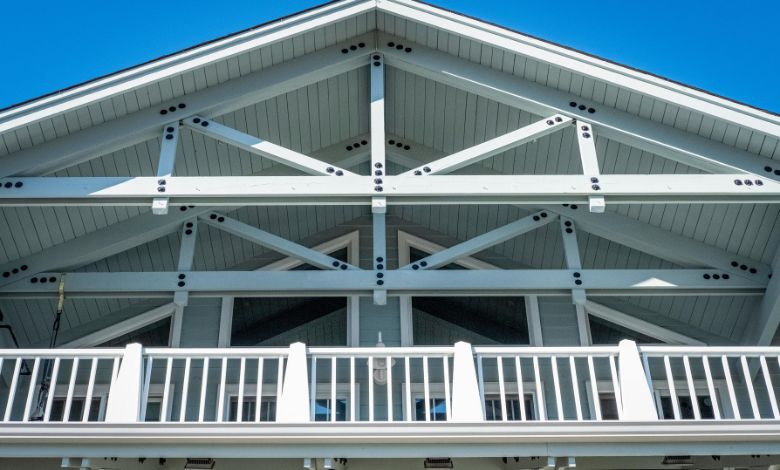
Roof truss repair explained: expert insights on safety, structure, and costs for homes needing reliable roof restoration today.
When I first had to meet a serious roofing issue But my cousin’ s home, I honestly thought it would.
A simple fix. Some cracked beams, maybe some wood replacement, what else. But the contractor Stopped me in the middle and said something that changed.
My understanding In its entirety:“ This Not just the roof. This is roof truss repair, And it’s structured.”
That moment Made me experience something important, roof truss repair Business. It just isn’t a construction task, It is a legal, technical and safety- sensitive process. And if you ignore someone. One Of these aspects, Results may vary far beyond repair costs.
Understanding Roof Truss Repair in a Legal Context
From a legal standpoint, roof truss repair is classified as structural work in most building codes worldwide. That means it is not treated like general maintenance. It falls under regulated construction activities that often require:
- Licensed contractors
- Structural engineer approval
- Compliance with local building codes
- Proper documentation for insurance and resale
I my case, I learned that too. A small modification To a roof truss system can be activated legal responsibility If it is not done correctly. That surprised me. I had never thought a piece of wood in an attic could be tied to legal compliance.
Why Roof Truss Repair Is Regulated
Roof trusses are constructed. Load- bearing systems. They are designed to distribute the weight evenly. A structure. Although one element Changed error, it may affect the entire building’ s stability.
Hence the ceiling truss repair is regulated. Authorities treat it as structural intervention rather than cosmetic repair. In many regions, unauthorized structural changes can lead to:
- Building code violations
- Insurance claim rejection
- Liability in case of structural failure
- Difficulty selling the property later
I remember asking the engineer whether we could “just reinforce it ourselves.” His answer was simple: “You can, but legally you shouldn’t unless it’s approved.”
That line stuck with me.
Common Legal Triggers in Roof Truss Repair
Most homeowners don’t realize they enter a legal zone when they deal with roof truss repair. Here are situations that often require compliance:
1. Structural Alterations
Cutting, drilling, or modifying trusses for renovations (like attic conversions) often requires approval.
2. Insurance Claims
If damage is caused by storms, termites, or water, insurers may require documented roof truss repair reports.
3. Property Sale Disclosures
Undocumented structural repairs can become legal issues during property transactions.
4. Safety Compliance Inspections
Some municipalities require inspection certificates after major roof truss repair work.
My Experience: When Repair Became a Legal Process
During the repair at my cousin’s house, what surprised me most was the paperwork. Before any roof truss repair began, the contractor brought in a structural engineer. He didn’t even pick up a tool first.
Instead, he:
- Measured load distribution
- Identified stress points
- Created a written repair plan
- Submitted it for approval
It felt less like construction and more like legal documentation combined with engineering science.
That’s when I understood: roof truss repair is not just physical work, it’s a certified process.
How Roof Truss Repair Is Actually Done (Legally and Structurally)
Professionals typically follow strict methods depending on severity:
1. Sistering Method
New timber is attached alongside damaged trusses to share load safely.
2. Gusset Plate Reinforcement
Metal plates are used at joints to restore structural integrity.
3. Steel Bracing
Used when wood alone cannot safely support load distribution.
4. Full Replacement
Required when structural integrity is legally or physically compromised.
Each method in roof truss repair must align with engineering approval, especially in regulated regions.
The Legal Risk of DIY Roof Truss Repair
One Most of all misunderstood aspects is DIY repair. Many homeowners assume. Small fixes are harmless. But structurally, even a minor change can shift load paths.
Legally, this creates risk because:
- Unapproved structural changes may void insurance
- Improper repair can make the homeowner liable
- Future buyers may claim disclosure failure
I once met a homeowner who cut part of a truss to install wiring. It looked harmless. But later, during inspection, the entire roof required reinforcement. The cost was ten times higher than proper roof truss repair would have been initially.
Why Documentation Matters in Roof Truss Repair
If there is one legal lesson I learned, it is this: documentation is everything.
Proper roof truss repair should always include:
- Engineer’s report
- Before-and-after photos
- Material specifications
- Compliance certificate (if applicable)
Without documentation, even a technically correct repair can become a legal liability later.
Cost vs Legal Safety: A Critical Trade-Off
Many homeowners Attempt to minimize the cost, but the ceiling truss repair is not an area where cutting corners Is it safe or legal?
Costs depend on:
- Severity of structural damage
- Accessibility of roof system
- Engineering involvement
- Compliance requirements
But legally speaking, skipping proper procedures to save money can lead to far higher long-term losses, especially in insurance disputes or property resale.
Real Intent Behind Roof Truss Repair Searches
From research and real-world behavior, people searching this keyword usually fall into three categories:
1. Emergency Problem Owners
They suspect structural damage and need immediate answers.
2. Cost Researchers
They want estimates before contacting professionals.
3. Compliance Seekers
They Concerned about the legal status, insurance or sale of the property.
Hence the ceiling truss repair content There should be a balance technical clarity with legal awareness.
Key Takings
- Looking back, what started as a simple home issue turned into a full lesson in engineering and law. I used to think roofs were simple structures. Now I understand they are carefully designed systems tied to safety regulations and legal accountability.
- Roof truss repair is not something to delay or underestimate. It is a process that blends engineering precision with legal responsibility. And once you understand that, every crack, sag, or sound in a roof becomes something you take seriously.
- If there is one takeaway I would share from my experience, it is this: never treat roof truss repair as just a construction job. Treat it as a structural and legal responsibility that protects both your home and your future.
Additional Resource:
- https://homerepairbase.com/roof-truss-repair: A practical homeowner guide covering repair techniques like reinforcement and replacement, along with typical cost ranges and when structural engineers are required.
- https://www.construction53.com: Industry-focused overview explaining how moisture, pests, and aging affect truss systems and why regular inspections are critical for preventing structural failure.